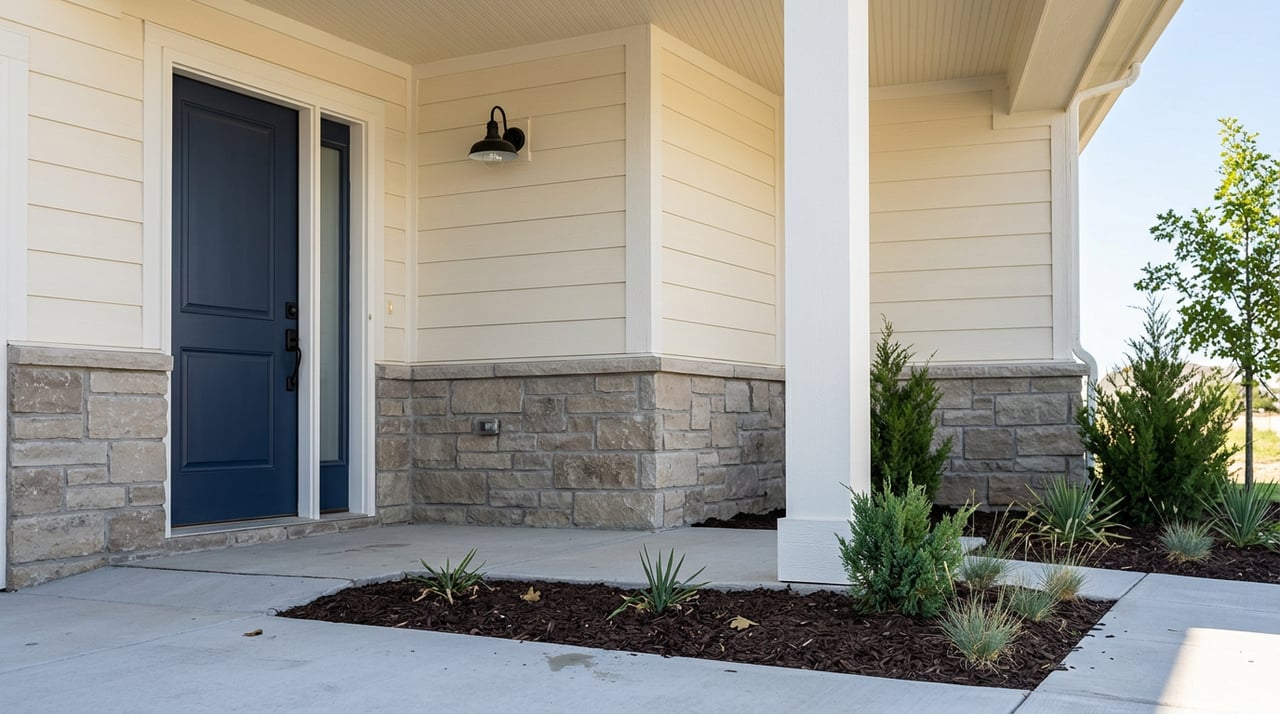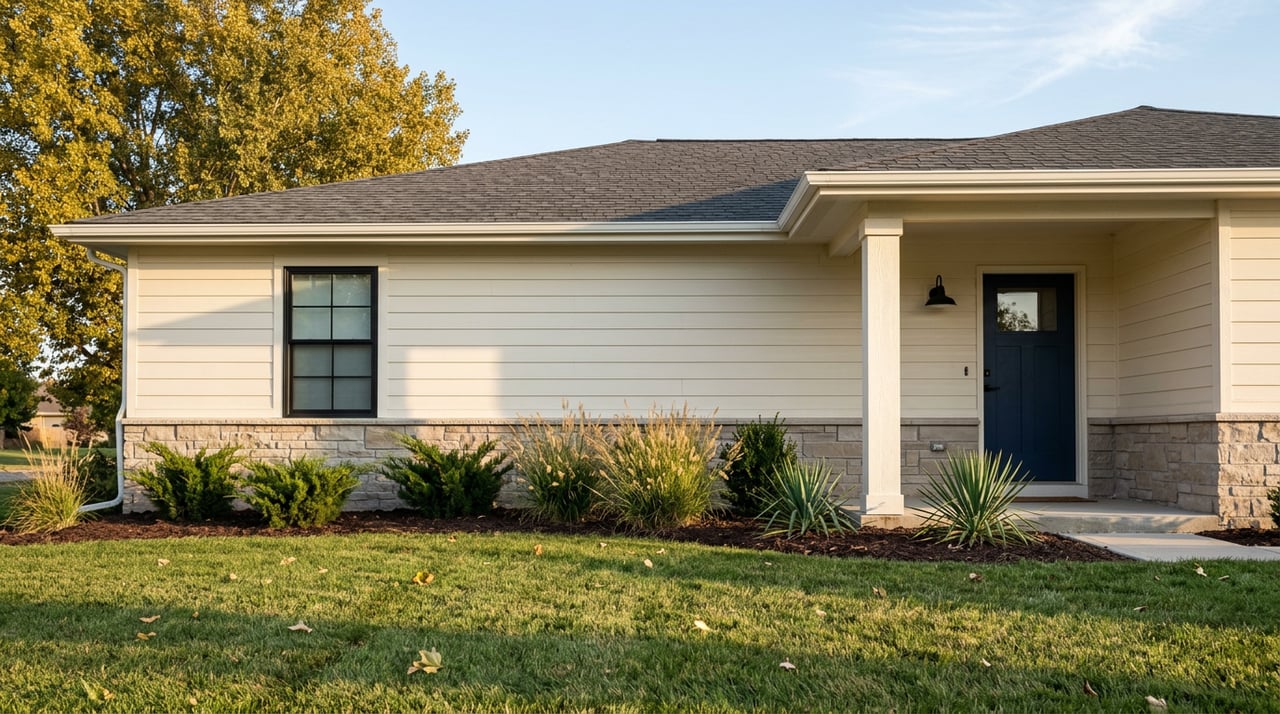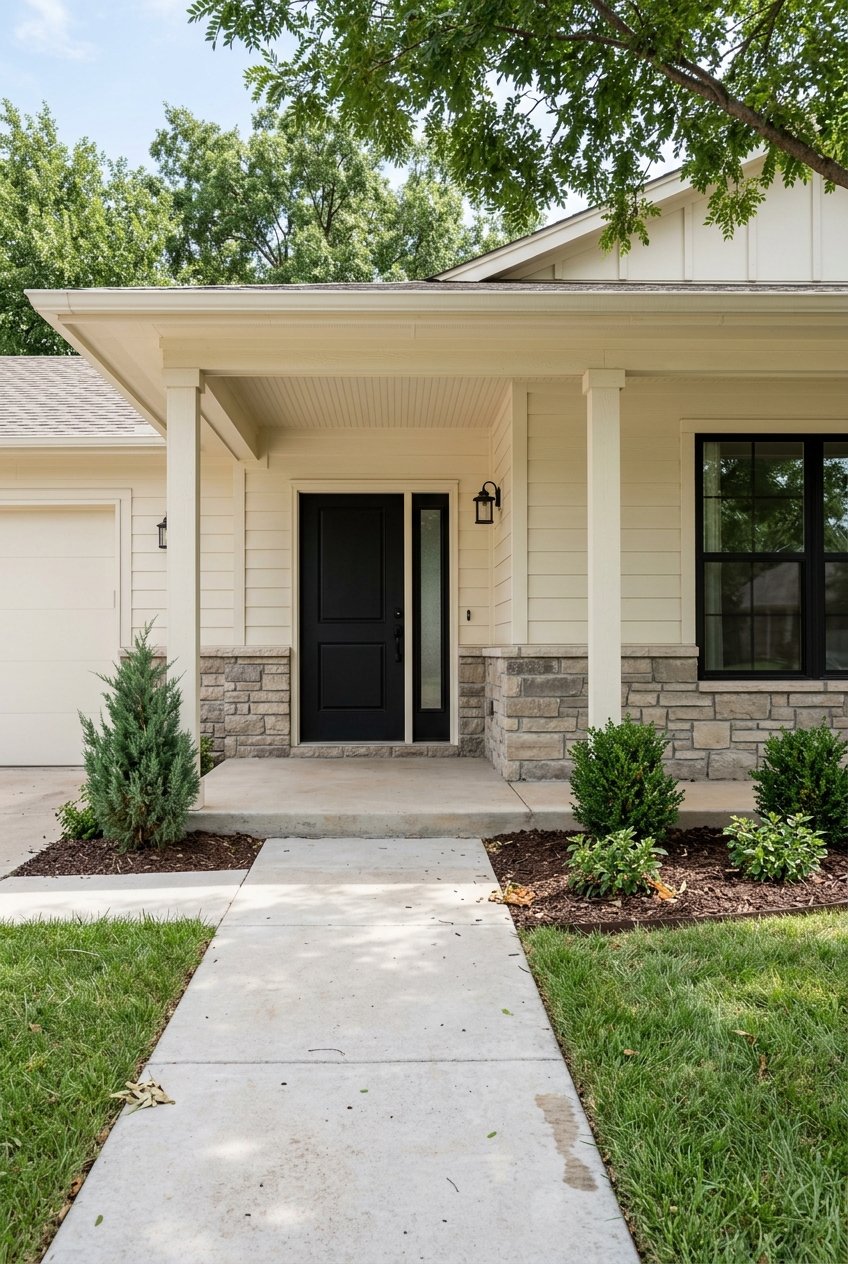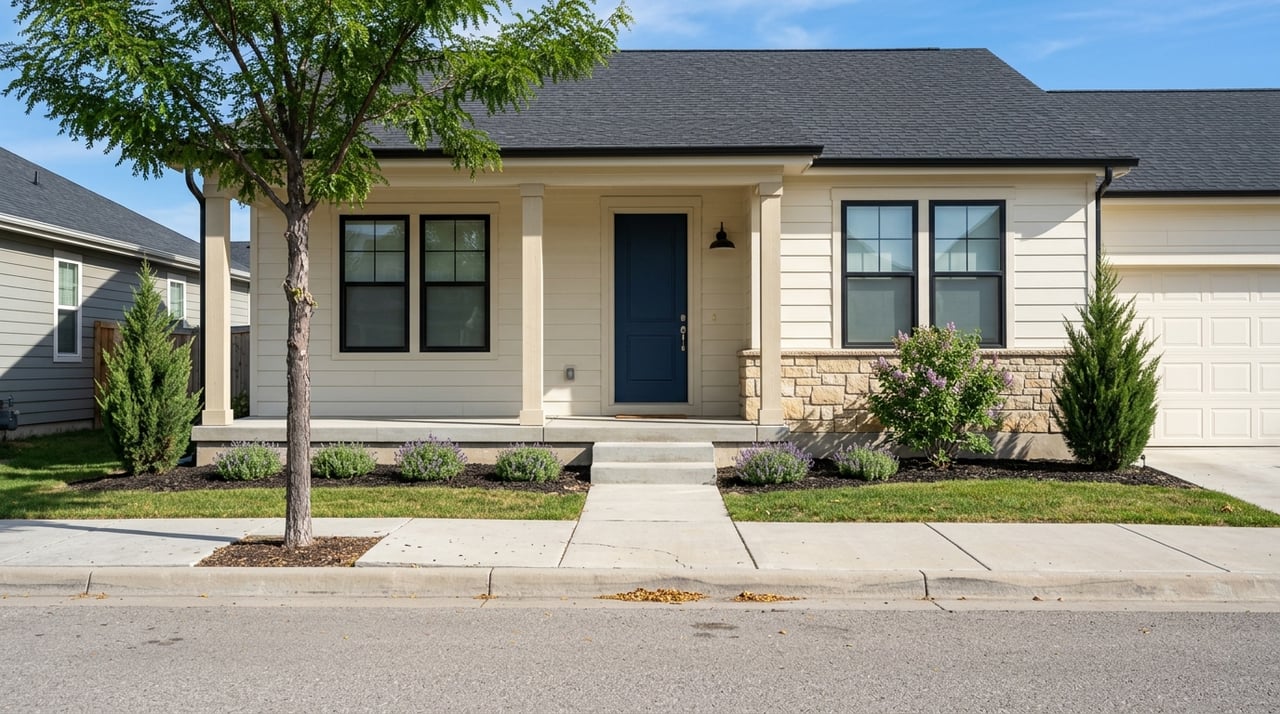
Wondering whether eastern Arapahoe County feels more like a planned subdivision or a quiet small-town main route? The truth is, it can be both. If you are trying to decide where your next home fits best, understanding how these areas differ can help you buy with more confidence. Let’s dive in.
Why eastern Arapahoe County offers both
Eastern Arapahoe County is not one single housing experience. The county’s land-development code shows a wide range of property types, from agricultural and rural-residential land to suburban single-family neighborhoods and compact residential development.
That matters because the difference is not just visual. It affects lot size, infrastructure, daily routines, and the kind of setting you may experience from one area to the next.
In the county code, minimum lot sizes range from 35 acres in agricultural-estate zoning down to 3,600 square feet in R-2-B zoning. That is a big spread, and it helps explain why one part of eastern Arapahoe County may feel open and rural while another feels more like a newer neighborhood near daily services.
What newer subdivisions usually look like
Newer subdivisions in eastern Arapahoe County often feel more planned because the zoning is built for that type of development. Residential districts such as R-1-C, R-1-D, R-2-A, and R-2-B allow homes on progressively smaller lots, from 12,500 square feet or larger down to as little as 3,600 square feet in the most compact category.
That usually creates a more organized neighborhood layout. Streets, lot patterns, and home styles often feel more consistent than they do in older town areas.
The county also says R-2-B is intended for small-lot residential development close to commercial and employment centers. In practical terms, that helps explain why some newer neighborhoods feel more connected to shopping, work routes, and other everyday stops.
A current local example is Adonea in Aurora. County sales data shows homes there built in 2018, 2019, and 2020, with mostly two-story traditional houses ranging from about 1,365 to 2,542 square feet.
That pattern is typical of a newer subdivision. You often see similar build years, related floor plan styles, and a neighborhood street network that was designed as a whole rather than built up over many decades.
Common features of subdivision living
If you are considering a newer subdivision, you may notice a few common traits:
- More uniform home ages and exterior styles
- Defined lot sizes and setback patterns
- Streets planned as a neighborhood system
- Greater likelihood of central or community water and sewer
- Possible proximity to commercial areas or commute routes
- A stronger chance that an HOA is involved
None of these are automatically good or bad. They just shape the ownership experience in different ways.
What small-town streets usually feel like
The small-town side of eastern Arapahoe County tends to show up in older town plats and rural transition areas. County zoning describes RR-B and RR-C as districts that preserve very low-density single-family homes, accessory buildings, and in some cases limited animals or private stables.
These districts are framed as transitions between rural town centers and surrounding agricultural land. That helps explain why some areas feel less like a subdivision and more like a traditional Colorado small town with open land nearby.
Deer Trail offers a useful example of that older pattern. County sales data from the original town area shows homes built across many decades, including 1910, 1948, 1954, 1967, 1978, and 1981.
That age mix creates a very different housing profile from a newer neighborhood. Instead of similar build years and repeated styles, you may find ranch homes, multi-level homes, manufactured homes, and more variation from block to block.
Common features of small-town street settings
If you are drawn to a more traditional town setting, you may notice:
- A wider mix of home ages and property types
- Street grids shaped over time rather than built all at once
- More visual variety from house to house
- A closer relationship to open land and rural surroundings
- Greater dependence on highway travel for many errands
- Different utility and zoning questions from parcel to parcel
This kind of setting can appeal to buyers who value character, space, or a less planned feel. It can also require more homework before you buy.
Open space shapes the east-county feel
Part of what defines the small-town side of eastern Arapahoe County is the surrounding landscape. County open-space fact sheets point to places like Richmil Ranch, about two miles northwest of Deer Trail, with planned uses such as hiking, wildlife viewing, trail rides, picnic use, and possible trail connections.
Bijou Basin, south of Byers near Quincy Avenue and Bradbury Road, is another example. The 2,800-acre open-space property includes concepts for a future trailhead, parking, restroom, and multi-use trails along the future Arapahoe Greenway corridor.
These details matter because they reinforce a more open, land-oriented setting. Compared with a compact neighborhood near commercial uses, the small-town side of eastern Arapahoe County often feels more shaped by landscape and travel distance.
Commute and access can change the equation
For many buyers, the biggest difference between subdivisions and small-town streets is not the house itself. It is how the location works with your weekly routine.
Across the eastern side of the county, I-70 remains a major travel corridor. CDOT highlighted work on a 20-mile stretch from Bennett to Deer Trail, which shows how important that route is for moving through the east-county area.
E-470 also plays a role for buyers who want access around the eastern edge of metro Denver. The road authority describes it as a 47-mile toll road with a 75 mph speed limit.
Transit access is another point of contrast. RTD’s A Line runs 23 miles from Denver Union Station to Denver International Airport, and the R Line serves Aurora with 16 stations and 30-minute service, including connections that can lead to DIA through the A Line.
Taken together, those routes suggest a practical difference. Aurora-adjacent subdivisions may offer stronger access to rail connections and airport routes, while farther-east small-town areas are generally more highway-dependent.
That does not make one option better. It means your best fit depends on where you work, how often you travel, and how much driving you are comfortable with.
HOA review matters in subdivisions
If you are shopping in a subdivision, HOA review should be part of your decision from the start. In Colorado, the HOA Information and Resource Center serves consumers under the Common Interest Ownership Act, and the Division of Real Estate notes that most HOAs are required to register annually.
State disclosure guidance says buyers should expect to review important association materials. These include the association name and contacts, budget, assessments, financial statements, reserves, insurance, bylaws, rules, and board or member meeting minutes.
That is important because an HOA is not just a fee. It is also a governance structure that can affect your monthly costs, maintenance responsibilities, and day-to-day ownership experience.
Utilities and zoning deserve a close look
One of the biggest practical differences in eastern Arapahoe County is infrastructure. The county’s urban residential zoning districts are generally tied to places where central or community water and sewer are expected to be available.
In lower-density rural transition districts tied to places like Byers and Strasburg planning areas, the county notes that adequate central or community water and sewer may not yet be available. That can shape not only your utility setup, but also how a property fits your long-term plans.
Zoning deserves the same level of attention. The county’s code spans everything from acreage districts to compact townhouse districts, so the rules affecting one property may look very different from the rules affecting another a few miles away.
Before you buy, verify these items
Whether you prefer a subdivision or a small-town street, it is smart to confirm:
- The parcel’s zoning district
- Minimum lot size requirements
- Setbacks and allowed uses
- Whether central or community water and sewer are in place or expected
- Whether the property is part of an HOA or common-interest community
- Sales history and neighborhood pattern for that address area
These checks can help you avoid assumptions and compare homes on facts, not just first impressions.
Which setting may fit you best
If you like newer homes, more consistent neighborhood planning, and easier access to commercial areas or major commute routes, a subdivision may feel like the right fit. This option can work well for buyers who want a more predictable setup and a straightforward day-to-day routine.
If you are drawn to older homes, more variety, open surroundings, and a traditional small-town feel, older town streets or rural-transition areas may feel more natural. This path can appeal to buyers who value character, flexibility, or a quieter pace.
In eastern Arapahoe County, the choice is rarely just about size or price. It is about how you want your home, your street, and your daily life to come together.
If you want help comparing neighborhoods across Strasburg, Bennett, Byers, Deer Trail, Watkins, Aurora, and the eastern I-70 corridor, Connie Lybarger can help you sort through the details and find a home that fits the way you live.
FAQs
What is the main difference between subdivisions and small-town streets in eastern Arapahoe County?
- Subdivisions usually have more consistent home ages, lot sizes, infrastructure, and neighborhood planning, while small-town streets often have a wider mix of home ages, styles, and rural context.
What lot sizes exist in eastern Arapahoe County residential areas?
- County zoning ranges from 35-acre agricultural-estate parcels down to compact residential lots as small as 3,600 square feet, depending on the zoning district.
What should buyers review about an HOA in eastern Arapahoe County?
- Buyers should review the HOA’s budget, assessments, financial statements, reserves, insurance, bylaws, rules, and meeting minutes, along with the association’s contact information.
What utility questions matter when comparing homes in eastern Arapahoe County?
- You should verify whether central or community water and sewer are available or expected, because that often differs between urban-style residential districts and rural transition areas.
What commute routes serve eastern Arapahoe County buyers?
- I-70 is a key east-county corridor, E-470 provides toll-road access around the eastern metro area, and Aurora-area buyers may also benefit from RTD rail connections such as the A Line and R Line.
What kind of homes are found on older small-town streets in eastern Arapahoe County?
- Older town areas can include homes from many different decades and a mix of property types, such as ranch, multi-level, manufactured, and traditional residential styles.