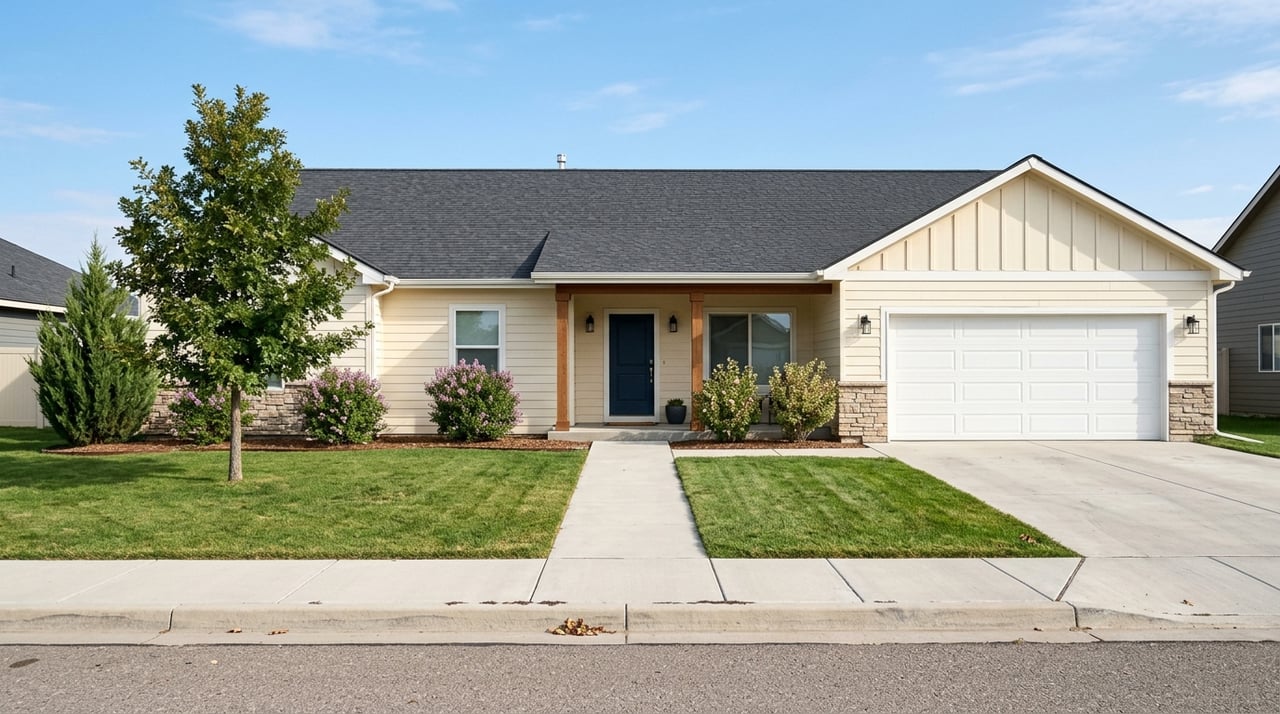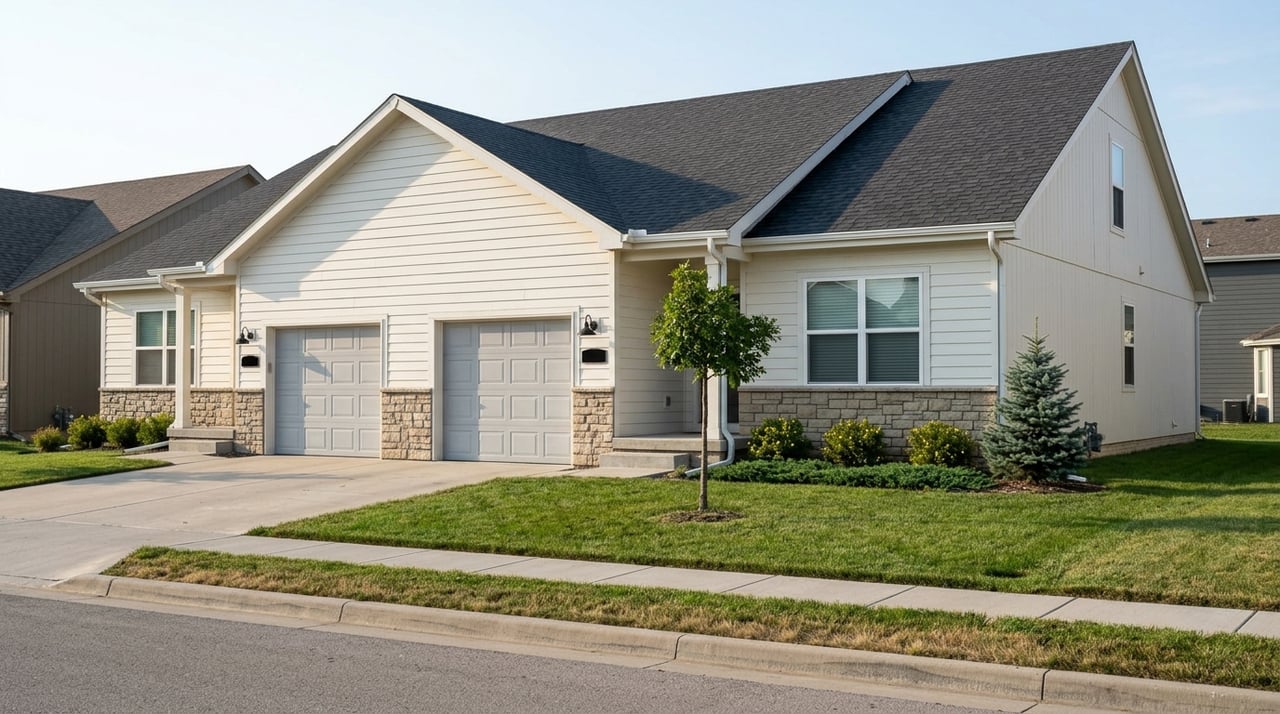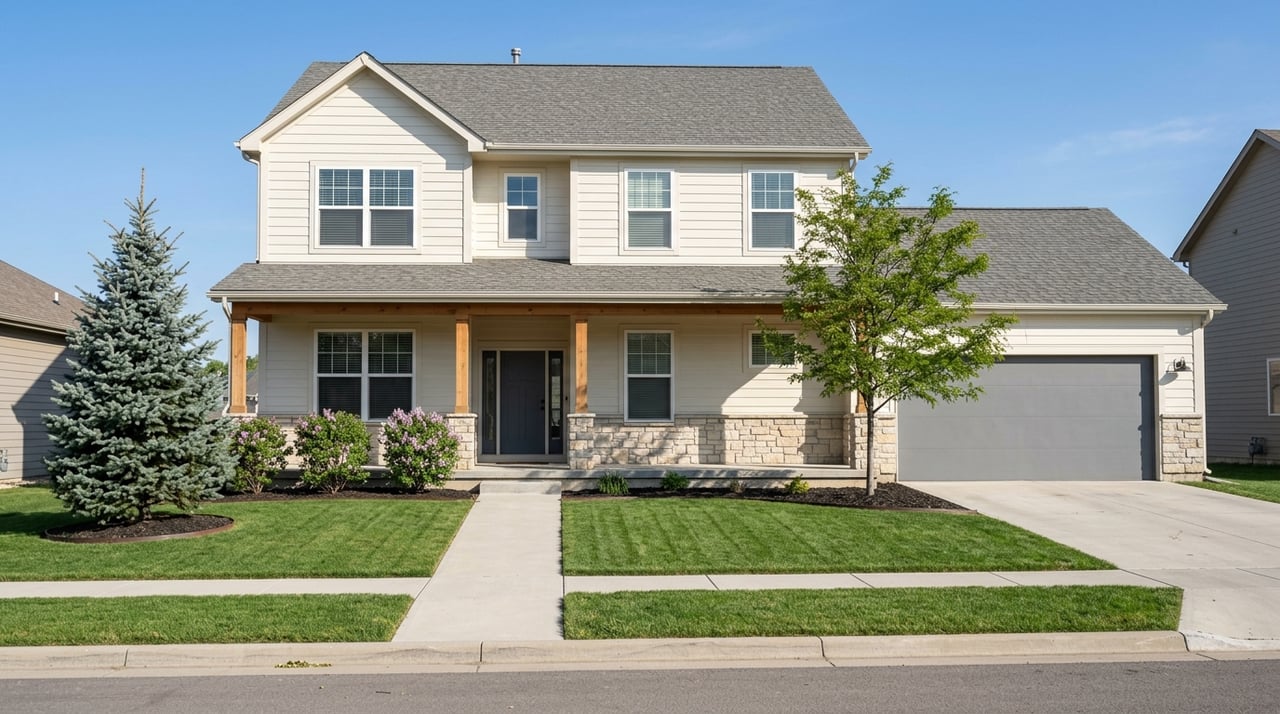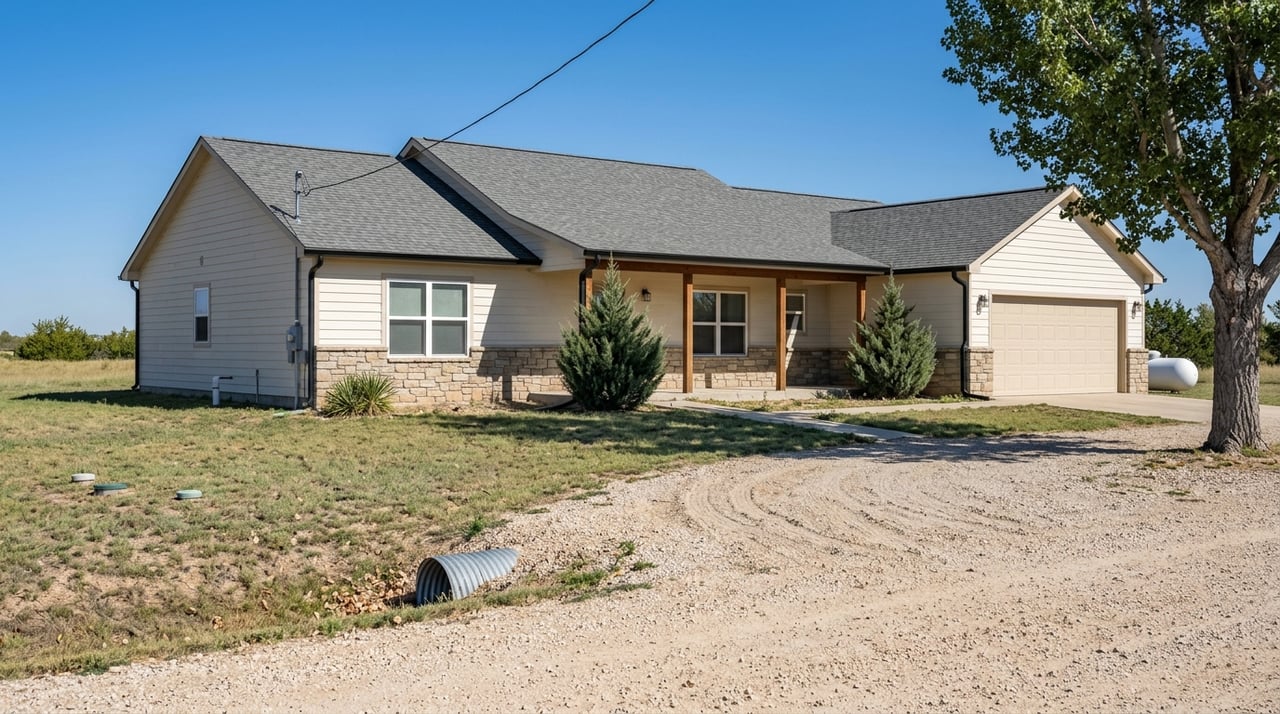
Dreaming about more space, bigger views, and room to build the lifestyle you want in Elbert County? Buying acreage can be exciting, but it also comes with questions you may not face in a typical neighborhood home purchase. If you understand the land, utilities, access, and county rules early, you can make a more confident decision and avoid costly surprises. Let’s dive in.
Why acreage buying works differently
Buying acreage in unincorporated Elbert County is not just about the home and the number of acres. The county’s rules can affect whether a parcel can be built on, what permits may be needed, and whether subdivision review applies before development. According to Elbert County permit guidance, most new construction, remodels, and repairs require permits, and parcels smaller than 35 acres must go through subdivision review before development.
That is why your first step should be to confirm the property’s zoning, approved subdivision status, and whether your intended use fits county standards. Elbert County Planning & Zoning handles rezoning, subdivision, and special-use requests, which makes this an important part of early due diligence.
If you are considering farming, ranching, or a mixed residential-ag use, it also helps to understand how agricultural classification works. Elbert County states that ag classification depends on land being used primarily to generate monetary profit from farming or ranching, and the county may verify use through questionnaires, inspections, and aerial imagery. You can review the county’s agricultural classification process before you make plans based on acreage alone.
Check water before anything else
For many acreage properties, water is one of the biggest issues to verify. In rural Colorado, homes often rely on private wells, and the Colorado Department of Public Health and Environment says private wells are not regulated under the federal Safe Drinking Water Act. That means well owners are responsible for maintaining water quality.
When you look at a property, do not stop at asking whether it has a well. You also want to know what the well permit allows and whether the water has been tested recently. The Colorado Division of Water Resources keeps well permit records that can show allowed uses and other permit details.
Testing matters too. CDPHE recommends private well water testing and provides resources for owners and buyers who want to better understand water quality. If you are buying acreage, this is one of the smartest questions to ask early in the process.
Understand septic and OWTS rules
Septic can become a major issue in acreage transactions if you do not check it upfront. In Elbert County, on-site wastewater treatment systems, or OWTS, require permits before installation or repair. The county also states that OWTS permits and use permits may be required for title transfers, additions, repairs, bedroom expansions, or remodeling.
This matters because septic is not just a maintenance item. It can affect whether a sale moves forward smoothly and whether your future plans for the property are realistic. If you want to add bedrooms, build additional structures, or change how the property is used, the septic system may become part of that conversation.
Elbert County also notes that state-level OWTS updates took effect June 15, 2025, and county regulation changes are planned for June 1, 2026. Because timing can affect which rules apply, buyers should confirm the current requirements at the time of contract and closing.
Know how lot size affects utilities
Lot size can influence more than just elbow room. Elbert County’s septic FAQ says the minimum lot size for an on-site wastewater treatment system is 10 acres with a well and 5 acres without a well. You can review that in the county’s frequently asked questions.
This is one reason acreage shopping should start with the land’s physical and legal setup, not just the home’s appearance. A parcel that looks ideal on paper may still need more review if your plans include a well, septic updates, or future improvements.
Ask about septic records and inspections
Before you make an offer, ask to review any available septic documents. That can include the permit, record drawing, inspection history, and pumping history. Elbert County says it maintains records for many systems, though not necessarily all older ones, so available documentation may vary.
You should also know that Elbert County says the seller must obtain a use permit before the sale of a home, along with an inspection by a licensed county inspector. The county also requires septic tanks to be inspected every four years and pumped when scum and sludge exceed 25% of effective volume.
If you plan to keep horses or make other heavy-use improvements, pay close attention to the soil treatment area. The county advises leaving that area largely untouched and says livestock should not be placed on it.
Look closely at road access
Access is another area where acreage buying can differ sharply from a suburban purchase. A property may be beautiful in summer but much harder to live with if access is limited during winter weather. According to Elbert County’s snow removal policy, county resources are not used to plow private roads or private property except when needed for emergency access.
That means you should ask whether the road is public or private, who is responsible for maintenance, and whether there is a road-maintenance agreement in place. These details can affect both day-to-day convenience and your long-term costs.
Plan for wildfire maintenance
Acreage ownership often comes with ongoing land stewardship. In Elbert County, wildfire risk is an important part of that picture. The county notes that local topography, vegetation, and climate contribute to wildfire potential, and the Colorado State Forest Service explains that wildfire preparedness requires ongoing maintenance.
That can include defensible space around the home, roof and gutter cleanup, and vegetation management around garages, barns, and other outbuildings. The home ignition zone includes the structure and the surrounding area, so wildfire planning should be part of how you evaluate the property, not an afterthought.
Financing can be more complex
Financing acreage is not always difficult, but it can be more detailed than financing a typical home in a subdivision. Some buyers may be able to use USDA financing, but eligibility depends on both borrower income and whether the property is in an eligible rural area. The USDA eligibility site lets buyers review those requirements.
Conventional financing can also work, but appraisal and valuation may take more analysis. Fannie Mae guidance for rural properties notes that rural homes may have large parcels and several outbuildings, which can make comparisons and appraisal adjustments more complex.
In practical terms, lenders and appraisers may look closely at the site itself, not just the house. Well details, septic status, road access, parcel size, and outbuildings can all affect how a property is evaluated.
Questions to ask before touring acreage
If you want to save time and avoid disappointment, go into showings with a clear list of questions.
Water questions
- Is the property served by a private well?
- Can you review the well permit to confirm allowed uses?
- Has the well water been tested recently?
- What records are available for the well?
Septic questions
- Is there a current OWTS permit?
- Will the sale require a use permit before closing?
- Can you review inspection and pumping history?
- If you want horses, a barn, or an ADU, how could that affect the septic system or soil treatment area?
Land-use questions
- Is the parcel zoned for your intended use?
- Is it in an approved subdivision?
- If you want to build a barn, garage, or ADU, what county review is required?
- Could the property qualify for agricultural classification based on actual use?
Access questions
- Is the road public or private?
- Who handles snow removal?
- Is there a maintenance agreement for the road or driveway?
Financing questions
- Is USDA financing an option for this property?
- Will outbuildings or large acreage affect the appraisal?
- Are there site features that could change lender requirements?
Why early due diligence matters
The biggest takeaway with Elbert County acreage is simple: the land itself matters as much as the house. Water, septic, access, wildfire considerations, and county land-use rules can all influence whether a property fits your goals. Verifying those items early can help you narrow your search, write stronger offers, and move toward closing with fewer surprises.
If you are thinking about buying acreage in Elbert County, having a local guide can make the process much easier to navigate. Connie Lybarger and the family-led team at RE/MAX Full House can help you ask the right questions, understand local property factors, and find a home or land opportunity that fits how you want to live.
FAQs
What should you check first when buying acreage in Elbert County?
- Start with zoning, subdivision status, well information, septic status, and road access, since these can affect how you use the property and whether the sale moves smoothly.
Do Elbert County acreage homes usually have private wells?
- Many rural properties use private wells, and buyers should review the well permit and ask about recent water testing.
Does a septic system affect an Elbert County home sale?
- Yes. Elbert County says use permits are required for transfer of title, and septic records, inspections, and system condition should be reviewed early.
Can private roads affect living on acreage in Elbert County?
- Yes. Elbert County does not plow private roads except for emergency access, so you should confirm who maintains the road and handles snow removal.
Is financing different for acreage in Elbert County?
- It can be. USDA eligibility depends on both borrower and property requirements, and conventional appraisals for rural homes may require more analysis because of acreage and outbuildings.
Can parcel size alone qualify land for agricultural classification in Elbert County?
- No. Elbert County says agricultural classification depends on actual, primary profit-oriented farming or ranching use, not just the size of the parcel.