If you want more elbow room in Eastern Colorado, the big question is not just how much land you can buy. It is what kind of rural life you want day to day. Some buyers picture true acreage, agricultural surroundings, and wide-open views, while others want small-town living with easier highway access and practical community amenities. This guide will help you compare Weld County and the eastern I-70 corridor so you can narrow your search with more confidence. Let’s dive in.
Rural feel starts with the setting
Weld County and the eastern I-70 corridor can both offer space, but they do not feel the same on the ground. In Weld County, agriculture is still a major part of the landscape and the county is actively working to manage growth while preserving rural character.
That matters because about 90% of Weld County’s land area is unincorporated, and rural identity there is tied to open vistas, working farms, low-density development, and large farm parcels. Weld County also has nearly 4,000 farms and ranches, and agriculture accounts for about 26% of Colorado’s agricultural sales.
Along the eastern I-70 corridor, the pattern is different. Communities like Bennett, Byers, Deer Trail, Strasburg, and Watkins are more closely tied to the highway and function more like small-town centers spread along a major travel route.
If your goal is a stronger agriculture-first setting, Weld County may feel more like what you have in mind. If you want rural character but still like the idea of being near town-based services and I-70 access, the eastern corridor may be the better fit.
Weld County often means true acreage
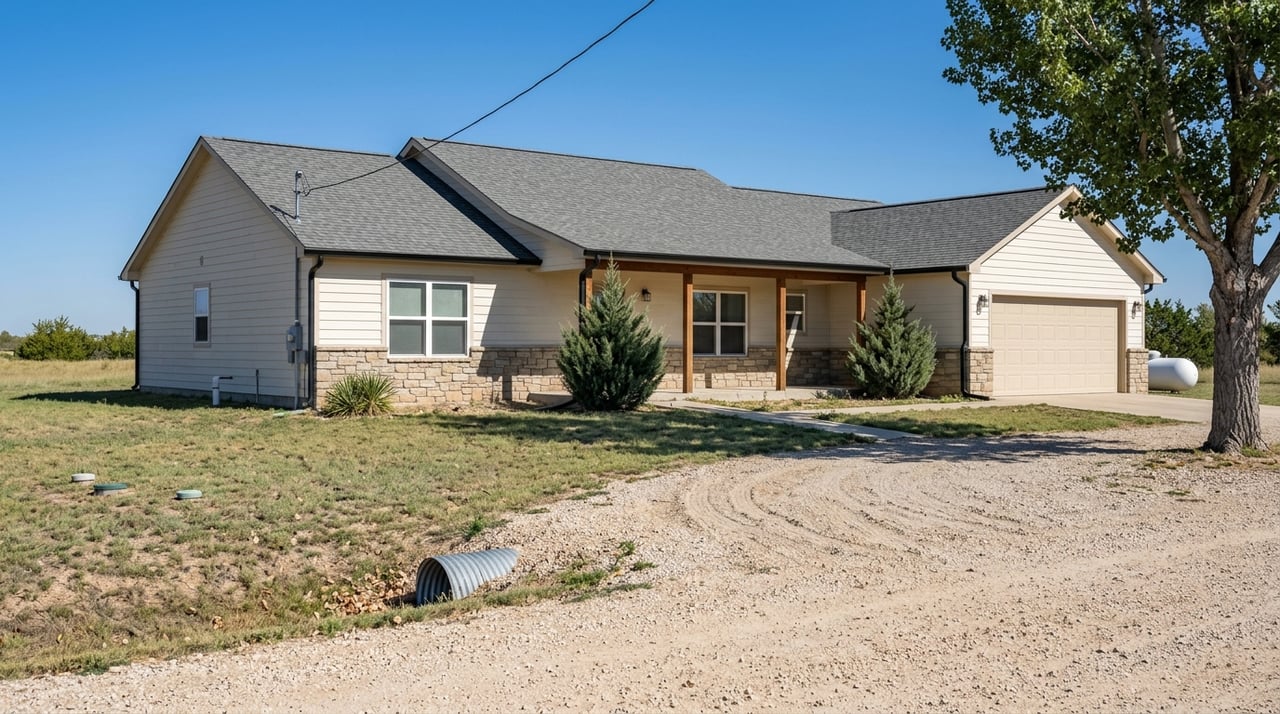
One of the biggest differences is the type of property you are likely to see. In Weld County, much of the rural inventory is genuinely acreage-based rather than subdivision-based.
That is partly because unplatted land in the A zone has a 35-acre minimum lot size, and subdivision is tightly regulated. County access and zoning review are also part of the process, so buyers need to think carefully about what they want to do with the land before they make an offer.
This can be a great fit if you want breathing room and are looking for a property with a more traditional rural layout. It can also mean more due diligence, especially if you are hoping to build, split land, or make changes later.
Eastern I-70 offers small-town rural living
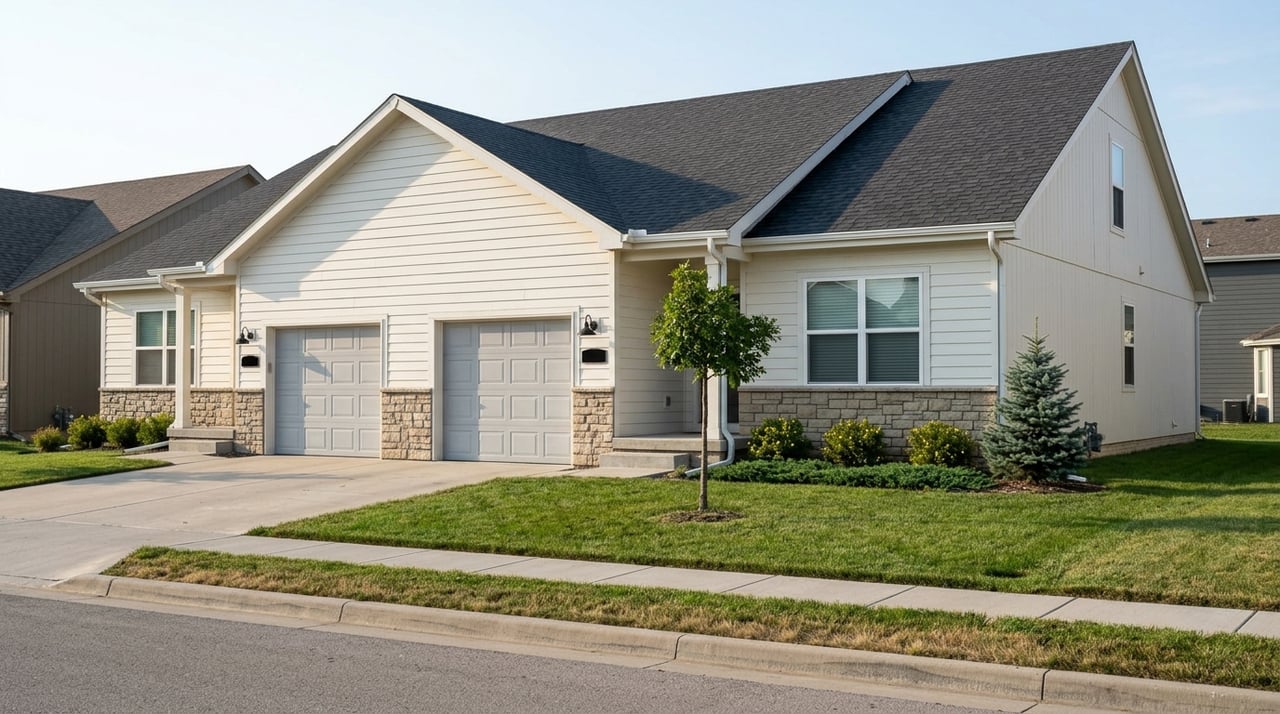
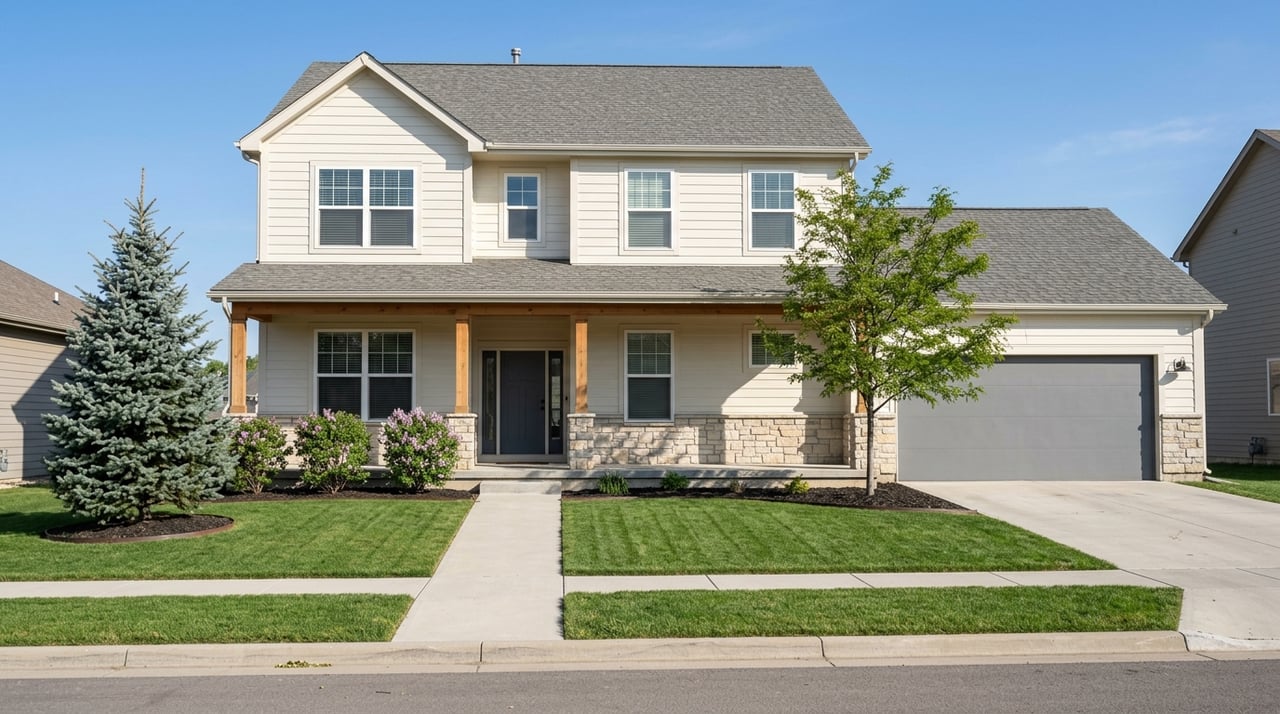
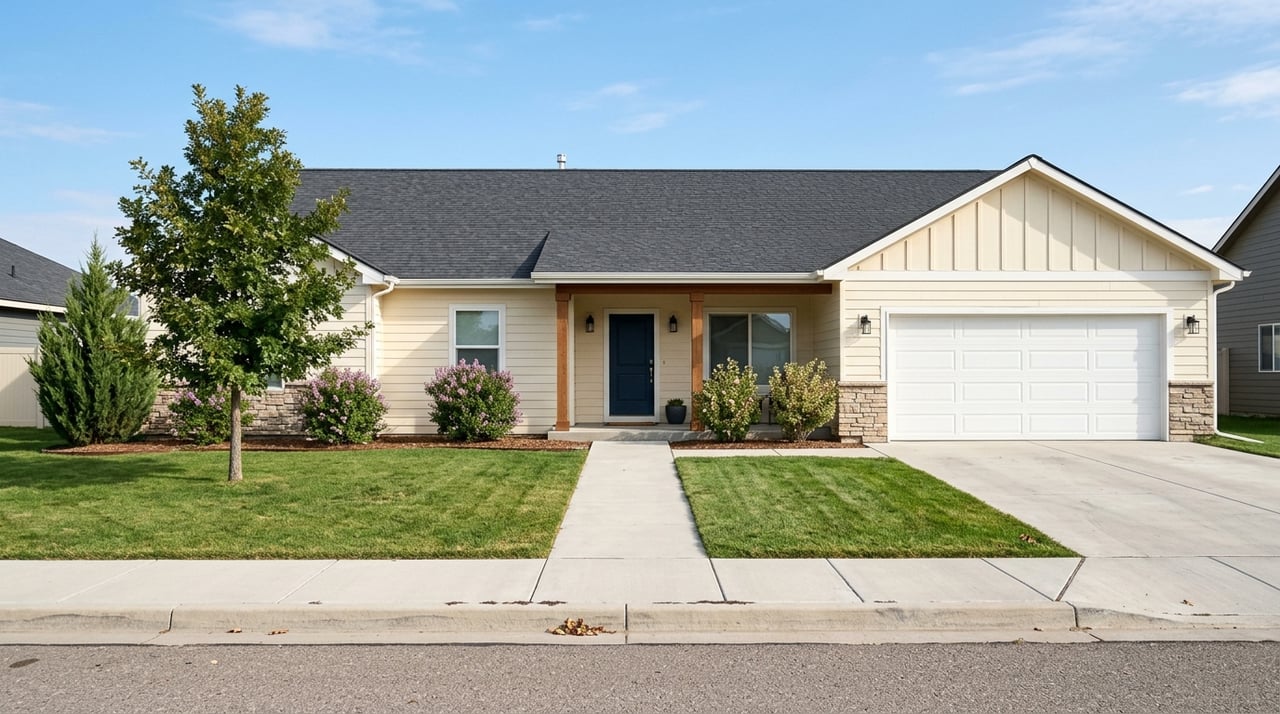
The eastern I-70 corridor tends to offer a different kind of rural experience. Instead of deeper agricultural tracts, many buyers are drawn to homes in or near small-town communities that still provide extra space compared with denser metro neighborhoods.
Bennett, for example, highlights more than six miles of walking and biking trails, numerous parks, a community center, a recreation center, and more than 200 acres of protected open space. Strasburg has a community park with sports fields and playgrounds, Byers has library resources with public computers and Wi-Fi, Deer Trail points residents toward local utility and community resources, and Watkins is described as a fast-growing community with easy access to Denver along I-70.
For many buyers, that means the eastern corridor can feel more connected and convenience-oriented, while still offering a quieter pace than the metro area. If you want a house with room to spread out but do not necessarily need large agricultural acreage, this side of the comparison may check more boxes.
Daily convenience can shape your decision
When buyers compare rural areas, commute time often gets all the attention. In reality, day-to-day convenience usually comes down to your job location, the roads you use most, and how far you want to be from the services that matter to you.
County-level data show mean travel times to work of 27.9 minutes in Weld County, 29.8 minutes in Adams County, and 27.1 minutes in Arapahoe County. Those averages are fairly close, so the practical difference often comes down to whether you need to reach Aurora, the airport area, Denver, or another local employment center.
The eastern I-70 corridor is especially shaped by highway access. Deer Trail is less than an hour east of Denver and sits along I-70, while Watkins and the Arapahoe County planning framework also point to the value of being directly along that corridor east of Aurora.
Weld County can still work well for commuters, but the road network is part of the lifestyle decision. The county maintains about 2,345 miles of gravel roads and more than 677 miles of paved roads, so access, dust, winter driving, and road conditions can play a bigger role depending on the property.
Rural tradeoffs are real in Weld County
Buyers are often drawn to Weld County for the same reasons people love rural living in the first place. You may find more space, less congestion, wildlife, and a stronger sense of separation from busier growth areas.
At the same time, Weld County’s planning materials are clear about the tradeoffs. Rural buyers should expect agricultural surroundings that may include farm equipment on roads, dust, odors, lower service levels than town, and water issues tied to agriculture.
That does not make Weld less appealing. It just means it is important to choose it with open eyes. If those realities sound like part of the lifestyle you want, Weld County may be a strong match.
Price trends are broad, not property-specific
Price is part of this conversation, but countywide numbers only tell part of the story. Rural properties can vary widely based on location, access, improvements, and land use details.
Even so, broad Census data offer a helpful starting point. Median owner-occupied home values are $471,700 in Weld County, $484,200 in Adams County, and $561,200 in Arapahoe County.
Those figures are not acreage-specific comps, but they do suggest Weld County generally sits at a somewhat lower countywide price point than the broader eastern corridor counties. For buyers who want more land or a more agricultural setting, that may be worth exploring further.
Planning trends matter for long-term fit
It helps to look beyond the house and think about where growth is headed. In Weld County, development pressure near transportation corridors can accelerate farmland conversion, and the county has identified ongoing competition for water among agricultural, municipal, and industrial users.
The county’s planning work also notes that future growth should be directed toward serviced areas to help preserve rural character. That tells you something important as a buyer: access, water, and location near infrastructure can affect both current livability and long-term value.
On the eastern I-70 side, planning is also active. Strasburg’s update process began in 2024, and Byers’ plan uses a 2045 horizon, reflecting expectations that growth and development will continue moving eastward from Aurora.
If you are choosing between these areas, you are not just choosing a home. You are also choosing the planning environment around that home.
What to verify before you buy land
No matter which side of this comparison appeals to you, rural purchases need careful homework. A property can look perfect online and still come with access, zoning, or use limitations that affect your plans.
In Weld County, the first things to verify are often:
- Legal access
- Water considerations
- Zoning and allowed uses
- Whether the parcel can actually be built on
- Whether the land can be divided the way you expect
Those same practical questions also matter in the eastern corridor, especially if you are comparing homes on larger lots or properties outside town centers. The goal is to make sure the property fits the life you actually want to live, not just the photo that caught your eye.
Which area fits your goals best?
If you are still deciding, this simple side-by-side view can help.
| Area | Best fit for buyers who want | Key things to keep in mind |
|---|---|---|
| Weld County | More agricultural surroundings, larger acreage, lower-density rural living | Access, water, zoning, gravel roads, and rural tradeoffs can matter a lot |
| Eastern I-70 corridor | Small-town rural living, I-70 convenience, and community amenities closer by | Inventory may feel more town-centered and less like deep farm-country acreage |
Neither option is better for everyone. The right choice depends on how you define rural living, where you commute, and how much convenience you want built into everyday life.
A local perspective can save you time
When you are comparing Weld County with Strasburg, Bennett, Byers, Deer Trail, or Watkins, the details matter. A home that seems similar on paper can feel very different once you look at access, surroundings, road type, and distance to the places you use every week.
That is where local guidance becomes especially valuable. A family team that knows the eastern I-70 corridor and nearby rural markets can help you sort through the practical differences faster, ask better questions early, and focus on properties that truly fit your goals.
If you are weighing Weld County against the eastern corridor and want help finding the right balance of space, convenience, and long-term fit, reach out to Connie Lybarger. You will get straightforward, local guidance from a team that understands how these markets really work.
FAQs
What is the main difference between Weld County and the eastern I-70 corridor for rural homebuyers?
- Weld County generally offers a more agriculture-first rural setting with larger acreage patterns, while the eastern I-70 corridor tends to offer small-town rural living with stronger highway access and town-based amenities.
What should buyers verify first when looking at rural property in Weld County?
- Buyers should verify access, water considerations, zoning, whether the parcel can be built on, and whether it can be divided or used the way they expect.
Are commute times very different between Weld County and the eastern I-70 corridor?
- County-level averages are fairly similar, so the bigger issue is usually which job center you need to reach and how close the property is to the roads you will use most.
What kinds of amenities are common in eastern I-70 towns like Bennett, Strasburg, and Byers?
- Buyers will generally find small-town amenities such as parks, trails, community centers, libraries, and local community resources rather than a dense suburban amenity package.
Is Weld County more rural than the eastern I-70 corridor?
- In many areas, yes. About 90% of Weld County’s land area is unincorporated, and the county’s rural identity is closely tied to agriculture, open space, and low-density development.
Are county home values lower in Weld County than in Adams or Arapahoe counties?
- Broad Census data show lower median owner-occupied home values in Weld County than in Adams and Arapahoe counties, but individual rural properties can vary widely based on land, access, and location.