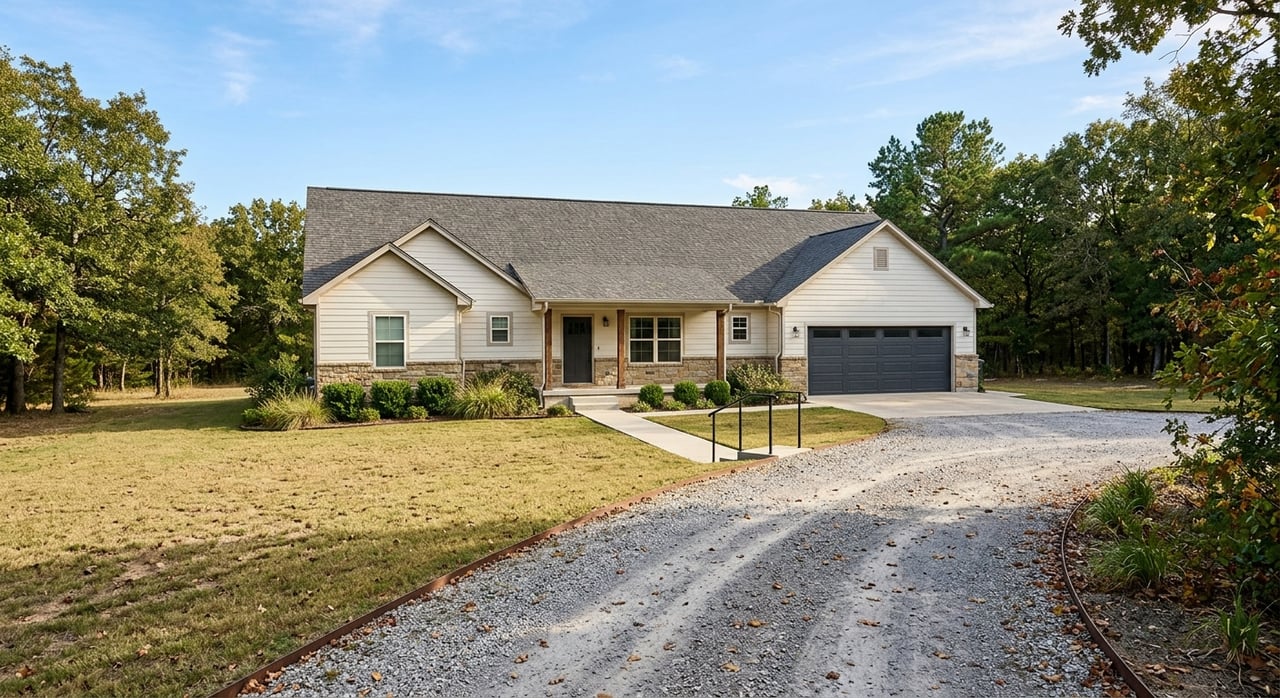
Are you dreaming about more elbow room, wide-open views, and a little distance from city noise? Acreage living in Elbert County can offer exactly that, but it also comes with daily routines that look different from life in a typical suburb. If you are wondering what everyday life really feels like on land here, this guide will walk you through the practical side of commuting, errands, utilities, home types, and community life. Let’s dive in.
What Acreage Life Feels Like
Living on acreage in Elbert County often means trading convenience for space. You may get more privacy, room for outbuildings, and a property that feels more connected to the landscape, but you will also need to plan ahead more often.
That tradeoff is part of what defines the county. Elbert County covers about 1,850 square miles and has a population of about 27,816 residents, so daily life is shaped by long distances, low-density development, and a rural layout.
Commuting Takes More Planning
If you live on acreage in Elbert County, driving will likely be part of your everyday routine. The county transportation plan says most residents commute northwest toward the Denver metro area, with others traveling toward Castle Rock and Colorado Springs.
The same plan shows that fewer than 30% of commuters use anything other than driving alone. Walking and biking each account for less than 1%, which tells you a lot about how spread out the county is.
Paved Highways and Gravel Roads
Major routes through the county include I-70, US 24, and State Highway 86. These roads help connect residents to jobs, shopping, and nearby communities.
Still, many minor and residential roads are unpaved. That means gravel roads, road dust, and slower travel are a normal part of acreage living, especially once you leave the main corridors.
Weather Can Change Your Drive
Open-country weather matters more when you live farther from town. Elbert County identifies hail, thunderstorms, floods, high winds, tornadoes, and winter storms as severe weather concerns.
That can affect how you plan your day, especially in winter or during strong wind events. A scenic drive can also be an exposed one, so it helps to leave extra time and stay aware of conditions.
Road Maintenance Is Part of Rural Reality
Elbert County maintains about 1,100 miles of gravel road and 380 miles of asphalt. The county also publishes grading schedules for gravel roads and uses snow-removal priorities for county roads.
For you, that means access is actively managed, but road work, chip sealing, grading, and occasional closures are simply part of life. If you are buying acreage, understanding your road access can be just as important as liking the house itself.
Errands Often Center on Elizabeth and Kiowa
Acreage living usually means you will not have every service right around the corner. Instead, many daily needs are handled through a few key hubs in the county.
County services are largely centered in Kiowa. Offices and functions like the sheriff, clerk and recorder, planning, emergency management, public health, and road and bridge operate at or through county offices there, mostly on weekday schedules.
Elizabeth Is a Main Retail Hub
For shopping and routine errands, Elizabeth plays a major role. An official town document describes Elizabeth as the commercial hub of Elbert County and lists retailers and services such as Walmart, Safeway, True Value, Big R, Napa, O’Reilly Auto Parts, Sonic, Dairy Queen, Taco Bell, Ziggy’s Coffee, Anna’s Car Wash, and McDonald’s.
That does not mean every acreage property is close to those businesses. It does mean many residents build weekly routines around planned trips into Elizabeth for groceries, hardware, car supplies, or a quick meal.
Expect More Errand Planning
On acreage, a forgotten grocery item or last-minute hardware need may take more time than it would in a suburban neighborhood. Many homeowners get used to combining errands into one trip and thinking ahead before heading home.
That rhythm is normal in a county where communities are spread out. For many buyers, the extra planning is worth it for more land and a quieter setting.
Wells and Septic Are a Big Part of Ownership
One of the biggest shifts for buyers moving to acreage is learning how water and wastewater work. In Elbert County, the comprehensive plan says remaining county properties rely on wells and septic systems for water and sewer.
That means your property may depend on systems you manage more directly than you would in a townhome or city subdivision. It is a practical part of rural ownership, not just a detail on paper.
What to Know About Wells
The county comprehensive plan notes that residential exempt wells are generally for lots of 10 acres or more and are limited to 15 gallons per minute. For buyers, that is a reminder that water use on acreage is tied to county rules and property-specific conditions.
If you are comparing properties, the well setup can affect how the home functions day to day. It is worth understanding those details early in your search.
Septic Systems Need Ongoing Attention
Elbert County Public Health says septic permits are required for title transfers, new installations, expansions, and repairs. The county also requires septic tanks to be inspected every four years.
That does not make septic ownership a problem. It simply means regular maintenance is part of the routine, and buyers should expect to learn the age, condition, and inspection history of the system.
Fire Restrictions Can Affect Outdoor Use
Dry conditions can shape everyday life on acreage too. Elbert County’s burn information showed Stage II restrictions in unincorporated areas effective June 22, 2026.
For homeowners, that is a practical reminder that outdoor burning, fireworks, and similar activities may be restricted during certain seasons. If you picture acreage life including bonfires or other outdoor fire use, it is important to stay current on county rules.
Community Life Is More Outdoors and Small-Town Focused
Acreage living in Elbert County is not only about land and logistics. It also comes with a distinct community rhythm that feels different from denser metro areas.
Social life here often revolves around parks, fairs, rodeo activities, youth sports, and seasonal events. Instead of a long list of nearby nightlife options, many residents enjoy community gatherings and outdoor recreation closer to home.
Parks, Sports, and Local Events
The Elizabeth Park & Recreation District operates parks and trails, a dog park, disc golf, youth sports, camps, and the rodeo arena. In Kiowa, the county fairgrounds include an equine warm-up arena, horse stalls, pavilions, and event buildings.
That mix helps paint a clear picture of day-to-day life. Recreation often feels hands-on, local, and connected to the county’s rural identity.
A Small-Town Social Rhythm
Elizabeth’s Friday Night Market is another good example of local life. The town schedules weekly summer market nights with vendors, food trucks, and live music.
For many acreage homeowners, that kind of event becomes part of the weekly routine. It is a lifestyle that leans into community connection without needing the pace of the Denver core.
Homes on Acreage Come in Different Forms
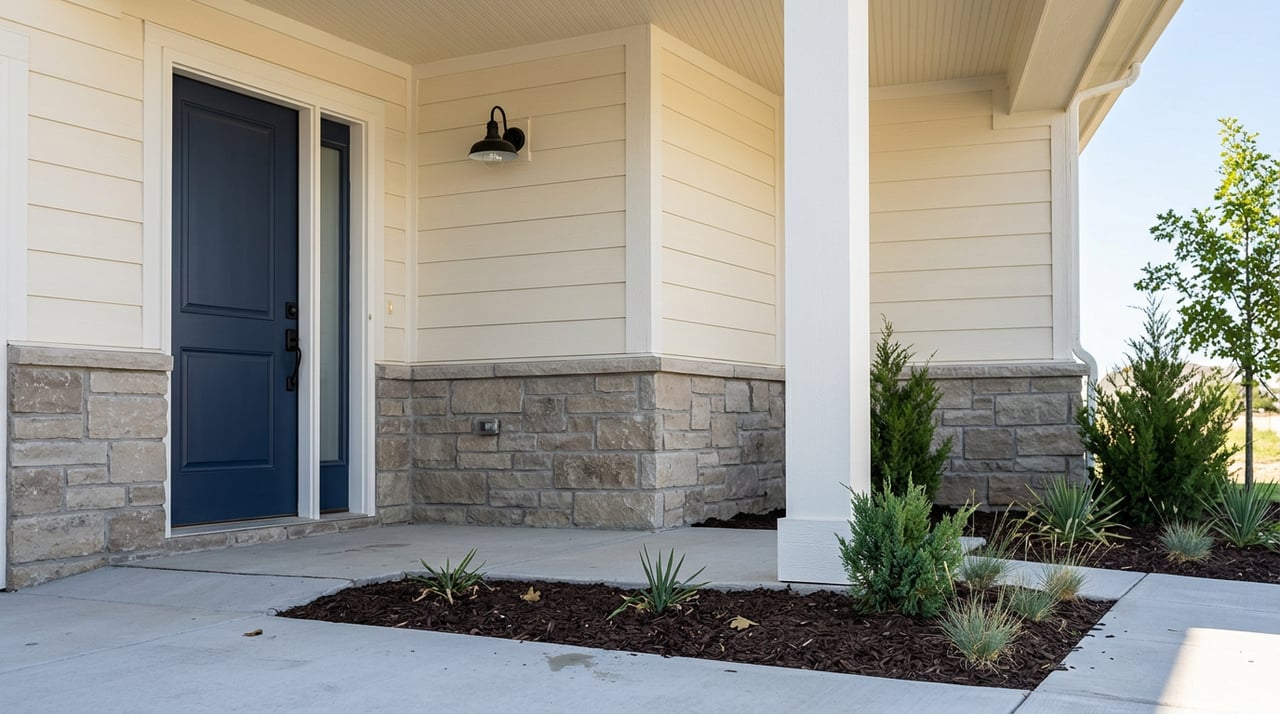
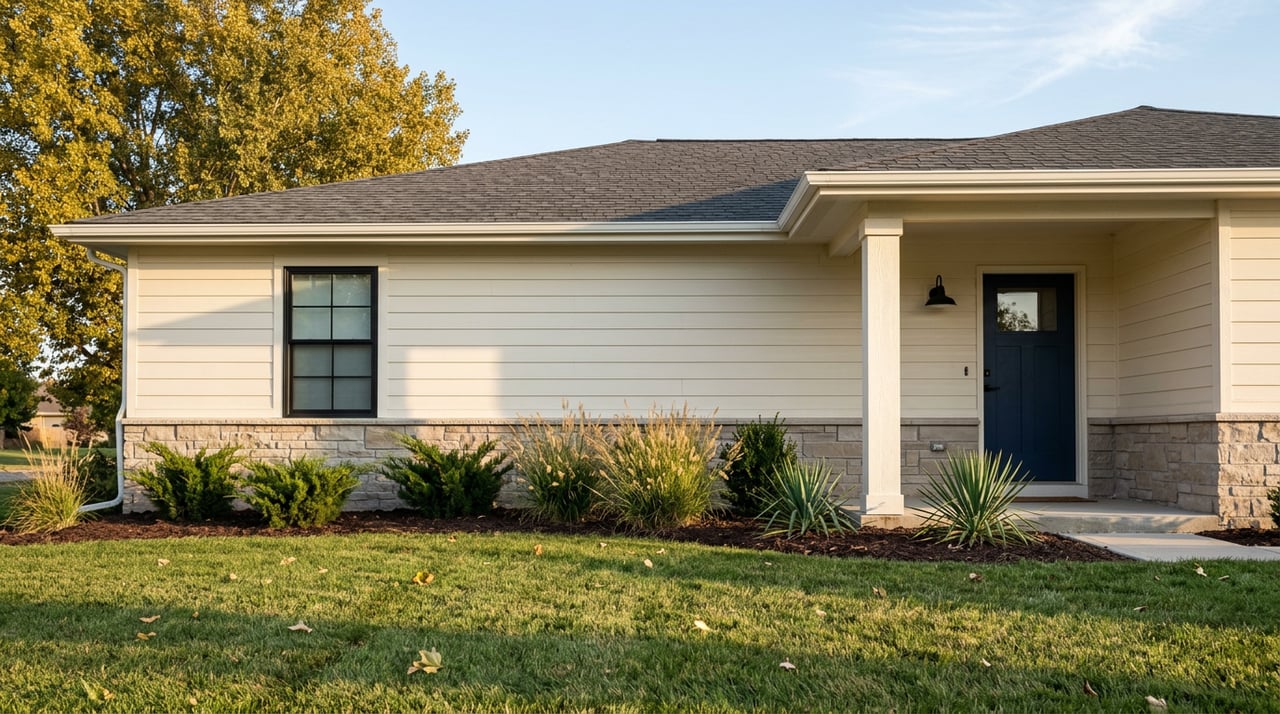
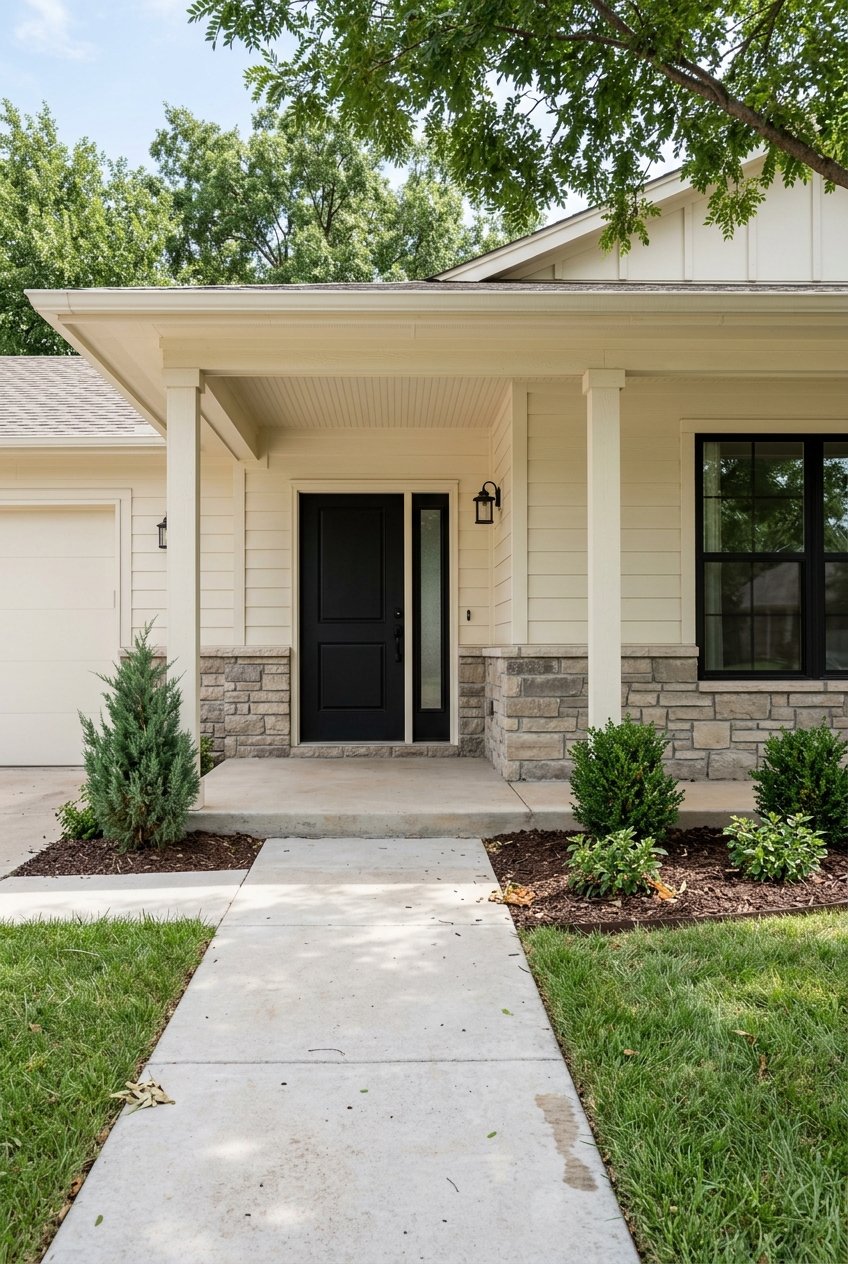
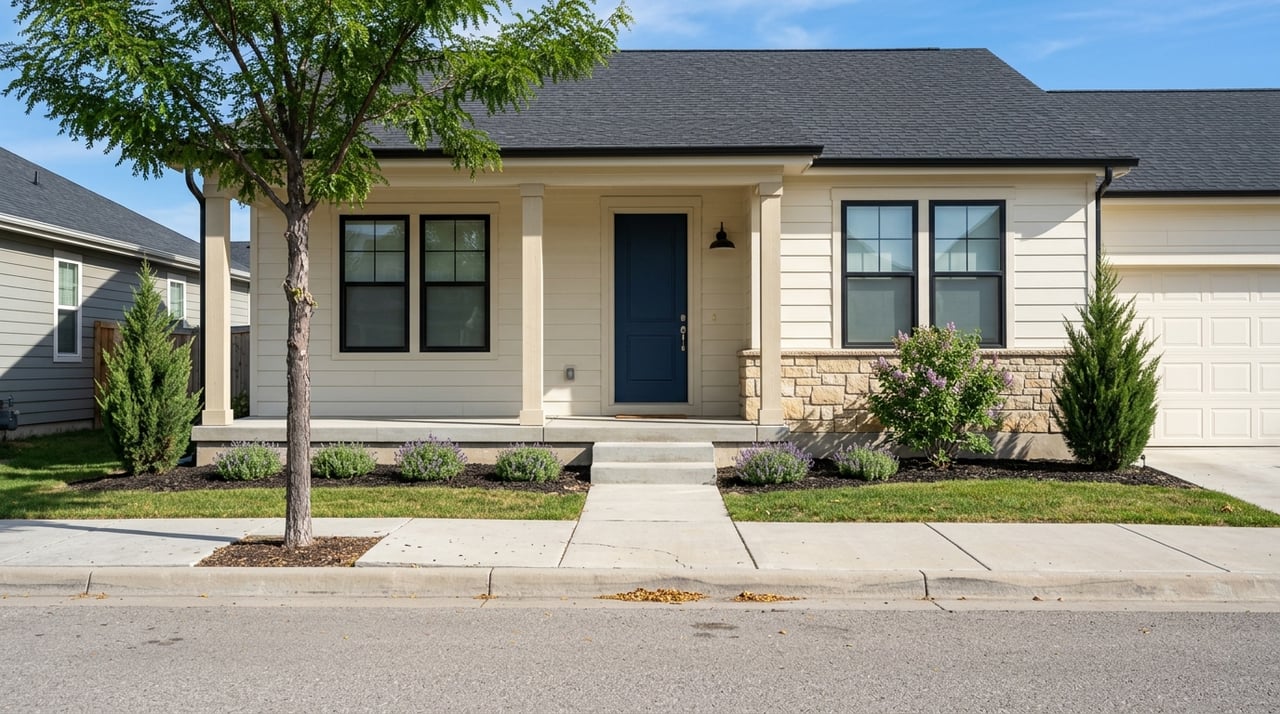
If you are picturing one specific kind of country home, Elbert County may surprise you. The housing stock is dominated by detached single-family homes on larger lots, but the look and setup can vary quite a bit.
The county housing needs assessment says detached single-family homes on lots over five acres make up about 53% of county inventory. Farm and ranch residences are the second-largest category, and the average lot size for single-family residential properties is about six acres.
Common Property Types
On acreage in Elbert County, you may see:
- Site-built ranch homes
- Farm and ranch residences
- Modular homes
- Manufactured homes on larger parcels
- Properties with barns, outbuildings, or equestrian features
County code recognizes manufactured homes, modular homes, and mobile homes. The county also says horses are allowed in most residential zoning districts, subject to limits.
Zoning Still Matters
Even in a rural area, acreage does not mean unlimited use. Elbert County zoning districts include Agriculture, Agriculture Residential, and Residential Agriculture categories, and county regulations say the Agricultural Context is intended to preserve working agricultural lands while allowing limited residential uses.
The county also states that building permits require appropriate zoning or an approved subdivision. If you are buying with future plans in mind, zoning and permitted uses deserve close attention.
Why Buyers Choose Elbert County Acreage
For many people, the appeal is simple. You can find more room to spread out, more privacy, and a setting that feels calmer and more connected to the land.
At the same time, daily life asks more of you. You may drive farther, monitor weather more closely, maintain a well or septic system, and think ahead about errands and road conditions.
That does not make acreage living harder for everyone. For the right buyer, it makes life feel more intentional and better aligned with what matters most.
If you are weighing whether acreage in Elbert County fits your lifestyle, having a local guide can make the process much easier. Connie Lybarger and the Lybarger Team bring practical, relationship-first guidance to buyers and sellers across Eastern Colorado, so you can make a confident move with clear expectations.
FAQs
What is daily commuting like from acreage in Elbert County?
- Most residents rely on driving, often toward the Denver metro area, Castle Rock, or Colorado Springs, and many acreage roads are gravel rather than paved.
What utilities should buyers expect on acreage in Elbert County?
- Many county properties rely on wells for water and septic systems for wastewater, so buyers should expect more property-specific system details than in a typical suburban neighborhood.
What shopping and errands are available near acreage in Elbert County?
- Elizabeth is the county’s main retail hub, while many county services are centered in Kiowa, so errands often involve planned trips rather than quick stops close to home.
What types of homes are common on acreage in Elbert County?
- Detached single-family homes on larger lots are the most common, along with farm and ranch residences, and some modular or manufactured homes on larger parcels.
What outdoor restrictions can affect acreage life in Elbert County?
- Seasonal burn restrictions may limit outdoor burning, fireworks, and similar activities during dry periods in unincorporated parts of the county.